 Nostalgia Camera
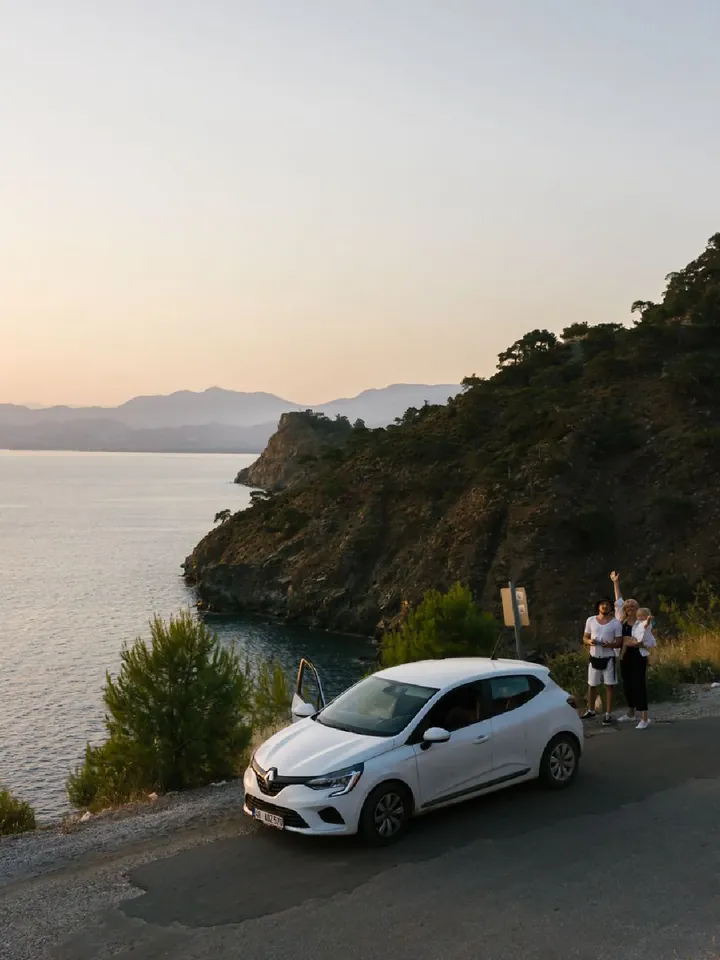
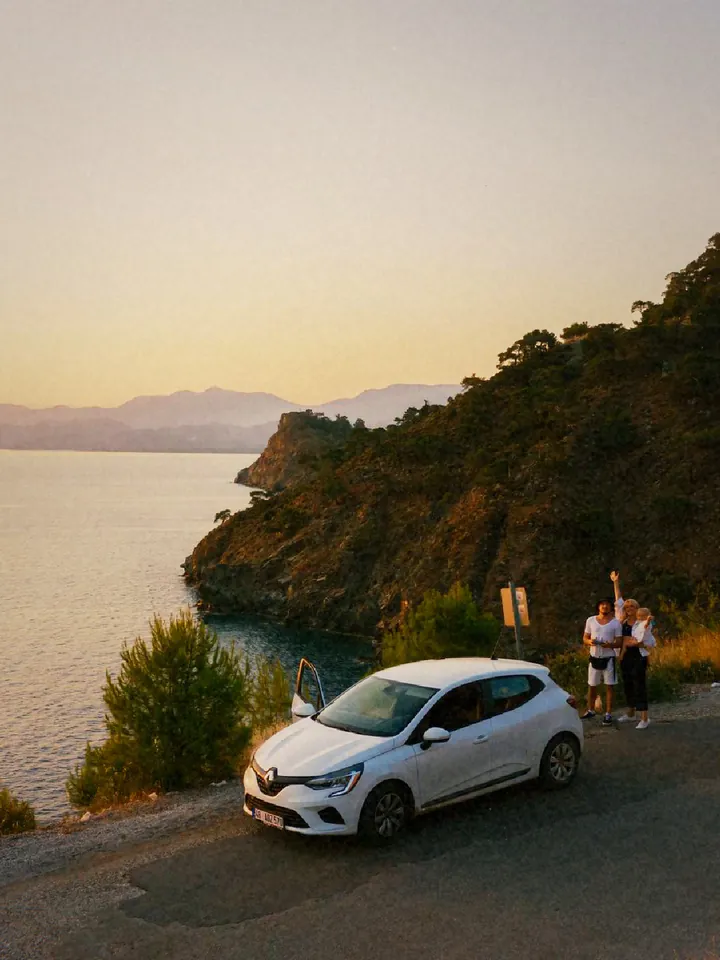
What a 1980s compact camera gave you
Autofocus point-and-shoot cameras put 35 mm film in everyone’s pocket. A small lens, automatic exposure, a pop-up flash and consumer colour negative film produced warm, saturated prints with fine grain, a slight darkening toward the corners and highlights that rolled off gently instead of clipping. Golden hour was just the afternoon; the film did the rest.
What the 1987 era does
The 1987 · 35 mm Compact era applies a consumer-film look: fine grain, halation around highlights, a little bloom, a vignette, dust, and the odd light leak or burn. It is cleaner and gentler than the 1998 disposable look. The default frame is 3:2, the proportion of a 35 mm negative.
Warm Compact and Neutral Street come with the era; Golden Afternoon and Rainy Green are extra colours. 1987 is a Pro era, so shooting with it requires Pro, an optional in-app purchase.
Where the look works
Travel, streets, road trips and everyday family photos. It suits scenes with real light: an afternoon sun, a lit shop window, a bright beach.
If you mainly shoot friends indoors at night, the free 1998 · Disposable Flash era will usually feel more right.
How to shoot it
- Choose 1987 · 35 mm Compact in the era picker and keep the 3:2 frame.
- Use Warm Compact for skin and sunlight, Neutral Street for cities and overcast days.
- Shoot in afternoon light and frame a little loosely; compact cameras were rarely precise.
- Take one photo per moment, as if the roll mattered.
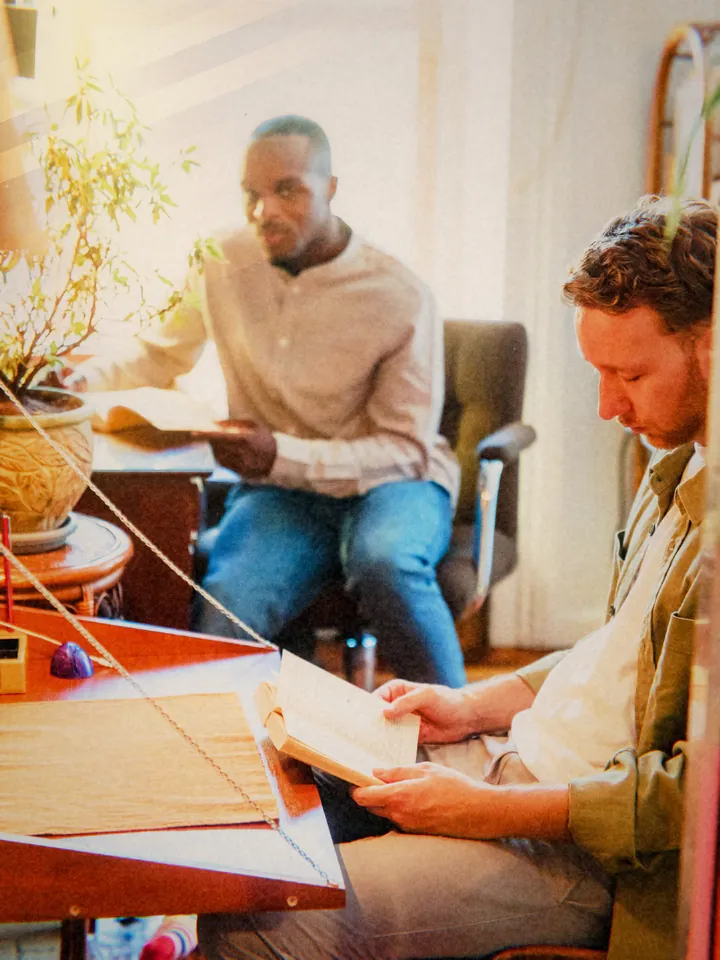
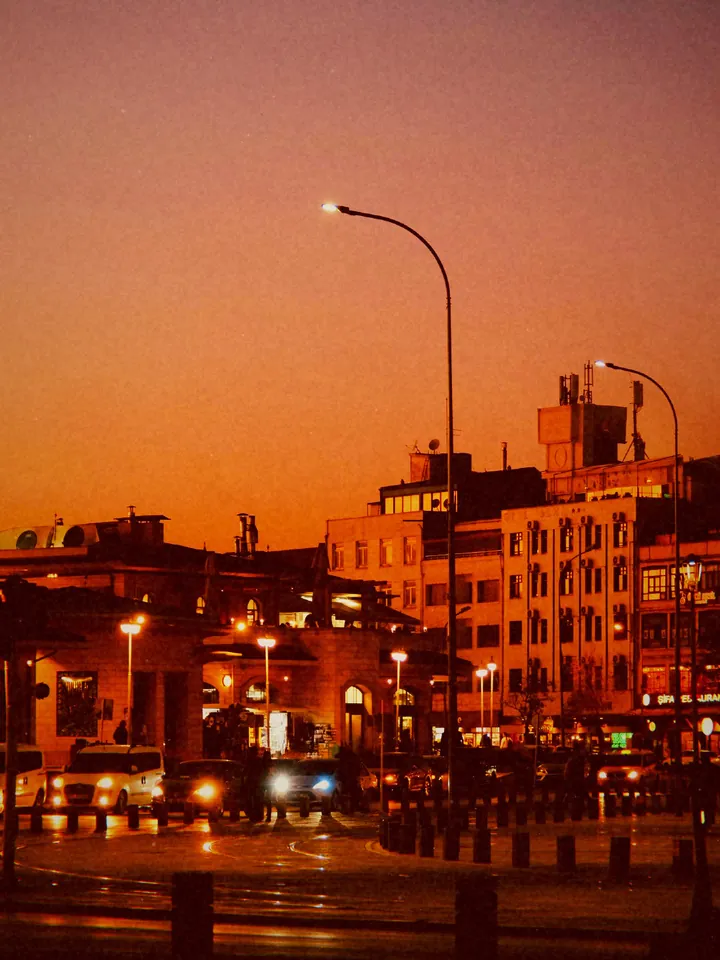
Questions
Is the 35mm film effect free?
No. 1987 · 35 mm Compact is a Pro era. The free 1998 · Disposable Flash era is the closest free film look.
What is the difference between 1987 and 1998?
1987 is cleaner and more controlled, like a good compact on a sunny day. 1998 is harsher: stronger flash, more grain, more accidents.
Can I use it on photos I already took?
Yes, with Pro. Import a photo from your library and process it with the 1987 era.