 Nostalgia Camera
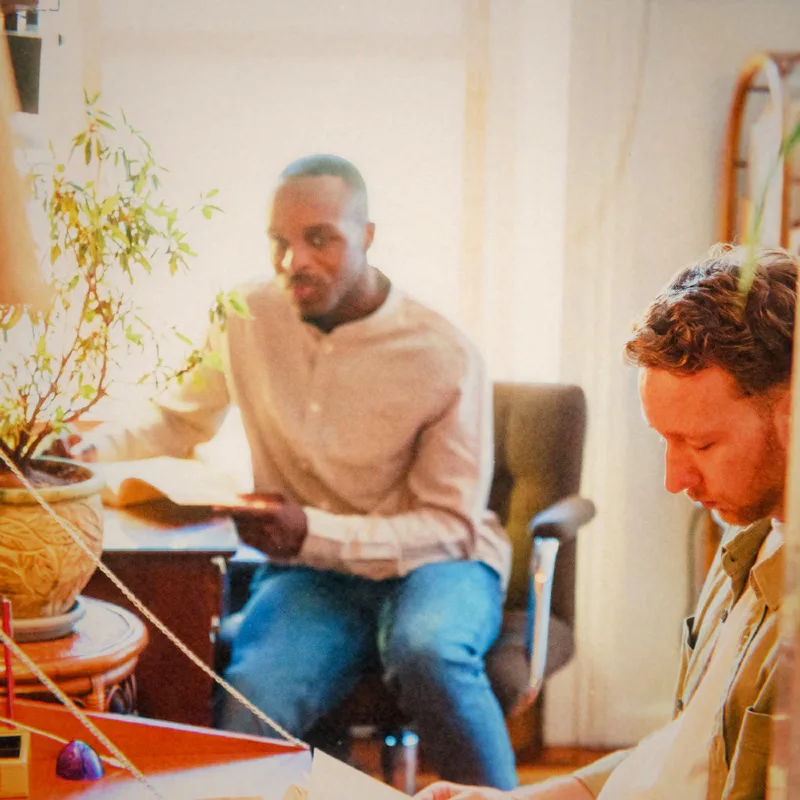
Look at one change at a time
A photograph can feel older without any date stamp. Texture, edges and color can each contribute to that impression. They also interact, which makes it useful to compare a processed image with the same original rather than with a completely different photograph.
Our Time Machine keeps the crop fixed for each scene. The original and all three era outputs begin from the same prepared input. These examples were rendered by Nostalgia Camera’s production photo engine, not made by placing a CSS filter over the web image.
Grain gives smooth areas a surface
Look at a wall, the sky or a patch of softly lit skin. Added texture is often easier to notice there than among leaves or fine patterns. In a small thumbnail it may be almost invisible; in a larger view it can become part of the picture’s character.
More texture is not automatically more convincing. It can also compete with a delicate subject. The app’s era variation means an individual shot can differ from a prepared example. Judge the complete frame instead of looking for an exact repeated noise pattern.
Softness changes the way edges feel
Find an outline where a subject meets the background. Compare the 1895 and 1972 outputs with the original, then switch to 2004. Notice how the different processing affects the apparent crispness and the bright parts of the image.
Softness cannot put a missed subject back in focus, and it is not a substitute for a useful source photograph. It is a creative quality to evaluate after framing and light. A small face at the edge of a busy picture may become harder to read if the overall result is too soft.
Color supplies a different association
The examples use Sepia Plate for 1895, Instant Warm for 1972 and Digital Cyan for 2004. Compare a neutral area and a saturated object as you switch between them. Color balance and contrast can change the mood even when the geometry of the picture is identical.
These are era-inspired software looks, not calibrated reproductions of every camera or film made in those years. Web image compression and your display also affect what you see. The rendering record lists the source photographs, engine inputs and prepared outputs so the demonstration has a clear origin.
Try a calm indoor scene and a bright outdoor scene before choosing a favorite. Then capture or import one of your own photographs in the app. A look earns its place when it helps you see the moment the way you want to remember it.